What It Is:
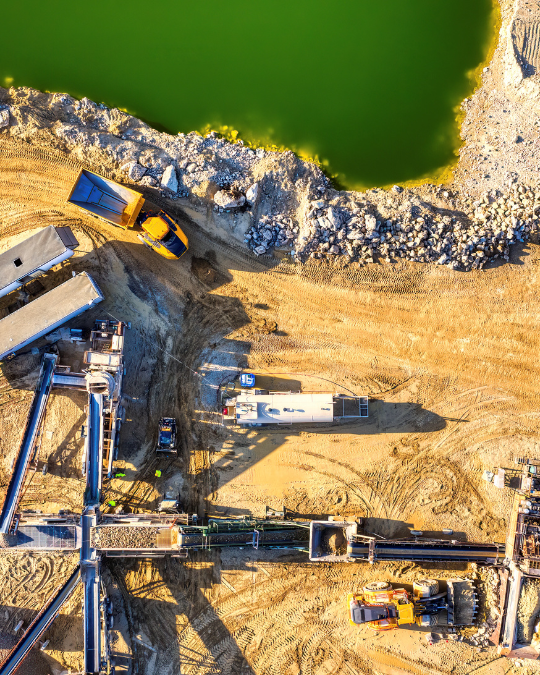
An Environmental Impact Assessment (EIA) is a detailed study that evaluates the potential environmental impacts of a proposed project. EIAs help businesses understand how their operations may affect local ecosystems and ensure compliance with environmental regulations.
Why It’s Important:
EIAs are crucial for obtaining project approval and minimizing risks. They ensure that your project is environmentally responsible, compliant with South African laws, and sustainable in the long run.
What It Is:
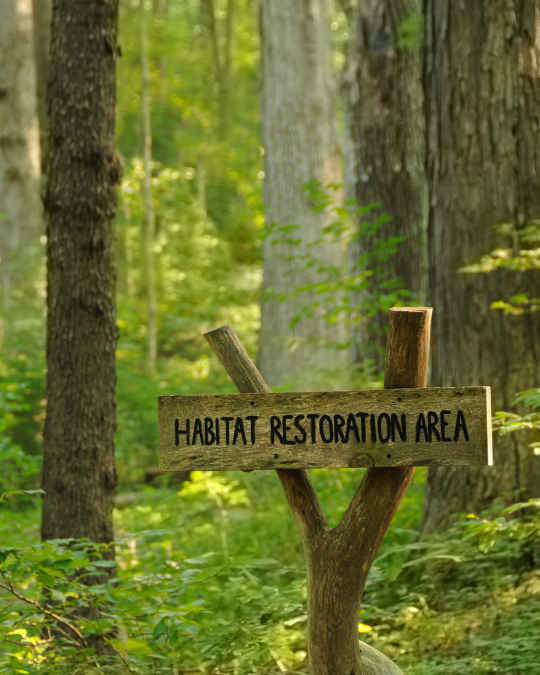
Biodiversity Management involves developing strategies to protect and preserve species and their habitats. This includes creating conservation plans, ongoing monitoring, and habitat restoration to ensure long-term ecological sustainability.
Why It’s Important:
Maintaining biodiversity is essential for the health of ecosystems and ensures that your project doesn’t disrupt local species. A solid biodiversity management plan demonstrates your commitment to sustainability and regulatory compliance.
What It Is:
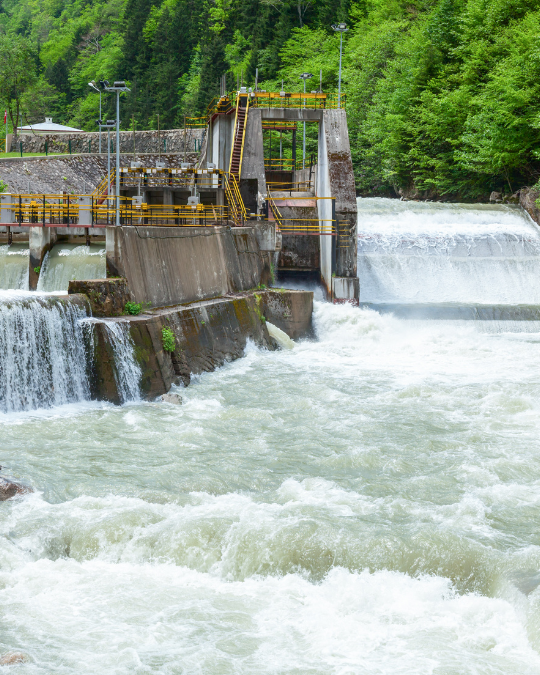
Water Use License Applications (WULA) are required for businesses that need to use water resources as part of their operations. This process ensures that water usage complies with South African environmental laws and minimizes any adverse effects on local water systems.
Why It’s Important:
Securing a water license is crucial to avoid penalties, delays, or even project shutdowns. Water management is a key aspect of environmental responsibility, especially in water-scarce regions.

What It Is:
A Social Impact Assessment (SIA) analyzes how your project will affect local communities and social structures. It ensures that social benefits are maximized and potential negative impacts are mitigated.
Why It’s Important:
SIAs are vital for maintaining positive relationships with communities, especially in industries like mining, energy, and large-scale agriculture. They help balance social concerns with project goals.

What It Is:
Mine Rehabilitation Planning involves creating a strategy to restore mined land to its natural state after operations are complete. This process is critical for long-term ecological stability and compliance with environmental regulations.
Why It’s Important:
Proper mine rehabilitation is not only a legal requirement but also essential for preserving biodiversity, water quality, and land usability for future generations. Without it, mining operations can leave long-lasting environmental damage.
What It Is:
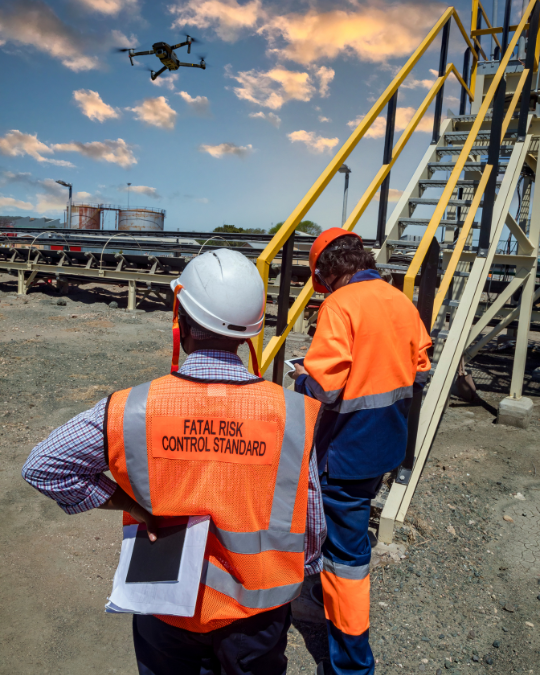
Section 24G Applications allow businesses to rectify non-compliance with environmental regulations. This legal process ensures that any unauthorized activities are regularized, helping you avoid fines and legal complications.
Why It’s Important:
Non-compliance can result in significant fines, project delays, or even shutdowns. By submitting a Section 24G Application, you can correct past mistakes and ensure that your operations meet legal standards moving forward.

What It Is: Dust Management Planning involves developing strategies to control and reduce dust emissions on construction or mining sites. These plans are essential for meeting environmental regulations and ensuring the health and safety of surrounding communities.
Why It’s Important: Effective dust management is crucial for minimizing air pollution, protecting worker health, and reducing environmental impact. It also helps prevent regulatory fines and ensures project operations run smoothly without causing harm to the local ecosystem.

Copyright Reserved © 2026 EnviroMax Consulting Developed by INFOMedia